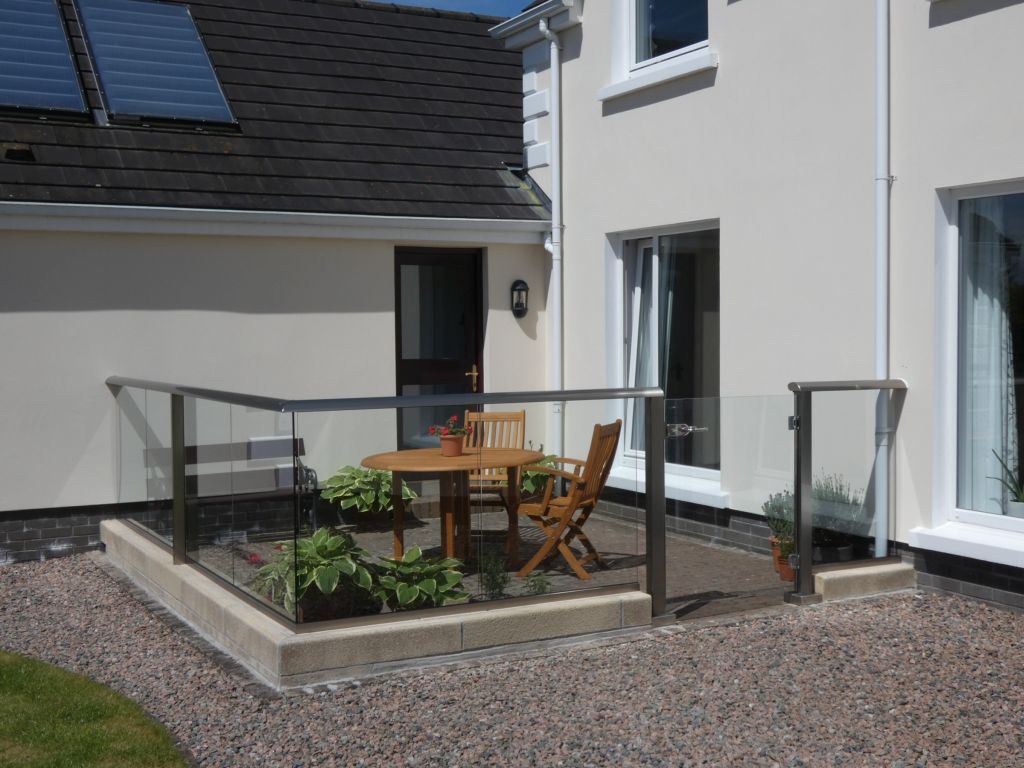
The Garden Landscaping market is blossoming, showing significant growth driven by homeowners seeking to create appealing and functional outdoor spaces. The demand for well-designed gardens is increasing, fueled by a desire for relaxation, recreation, and increased property value. This growth is influenced by several factors, including changing lifestyle preferences, environmental concerns, and technological advancements.

Key Takeaways:
- The Garden Landscaping market is experiencing substantial growth due to increasing homeowner interest in outdoor living spaces.
- Regional variations in climate and preferences play a significant role in shaping Garden Landscaping trends.
- Sustainability and water conservation are becoming increasingly important considerations in Garden Landscaping design.
- Technological advancements, such as smart irrigation systems and landscape design software, are impacting the industry.
Understanding the Growth Drivers of Garden Landscaping
Several factors are contributing to the rapid expansion of the Garden Landscaping market. A primary driver is the growing recognition of the benefits of outdoor living. People are increasingly viewing their gardens as extensions of their homes, spaces for relaxation, entertaining, and connecting with nature. This has led to a greater willingness to invest in professional landscaping services and high-quality materials.
Another significant factor is the increasing awareness of environmental issues. Homeowners are seeking sustainable Garden Landscaping solutions that minimize water consumption, reduce the use of pesticides, and promote biodiversity. This trend has fueled demand for drought-tolerant plants, permeable paving materials, and eco-friendly landscaping practices.
The rising popularity of outdoor cooking and dining has also contributed to the growth of the Garden Landscaping market. Many homeowners are creating outdoor kitchens, patios, and entertainment areas, requiring specialized landscaping services to integrate these features seamlessly into the garden design. Furthermore, the desire to increase property value is a major motivator for many homeowners when it comes to investing in Garden Landscaping. A well-manicured and thoughtfully designed garden can significantly enhance a home’s curb appeal and overall market value. This encourages homeowners to invest in professional Garden Landscaping services to achieve the best possible results. This is where us, as an industry, benefits.
Regional Insights into the Garden Landscaping Market
The Garden Landscaping market exhibits significant regional variations, driven by differences in climate, soil conditions, and homeowner preferences. In warmer climates, such as the southern United States, the demand for drought-tolerant plants and water-efficient irrigation systems is particularly high. Homeowners in these regions often prioritize outdoor living spaces that can be enjoyed year-round.
In contrast, in colder climates, the focus is often on creating gardens that can withstand harsh winter conditions and provide visual interest throughout the year. This may involve the use of evergreen trees and shrubs, as well as hardscaping features such as stone walls and pathways. Furthermore, homeowners in different regions may have varying preferences in terms of garden style. For example, formal gardens with symmetrical designs are more popular in some areas, while naturalistic gardens with a more informal layout are preferred in others. Understanding these regional nuances is crucial for Garden Landscaping professionals to effectively cater to the needs of their clients. We must adapt to the needs of homeowners to grow as a business.
The Role of Sustainability in Garden Landscaping
Sustainability is becoming an increasingly important consideration in the Garden Landscaping market. Homeowners are seeking eco-friendly landscaping solutions that minimize their environmental impact and promote biodiversity. This includes the use of native plants, which are well-adapted to the local climate and require less water and maintenance.
Water conservation is another key aspect of sustainable Garden Landscaping. Homeowners are increasingly adopting water-efficient irrigation systems, such as drip irrigation and rain sensors, to reduce water waste. They are also using permeable paving materials, such as gravel and mulch, to allow rainwater to seep into the ground and replenish groundwater supplies. In addition, sustainable Garden Landscaping practices involve minimizing the use of pesticides and herbicides, which can harm beneficial insects and pollute the environment. Instead, homeowners are opting for natural pest control methods, such as attracting beneficial insects and using organic fertilizers.
The Impact of Technology on Garden Landscaping
Technology is playing an increasingly important role in the Garden Landscaping market. Landscape design software allows homeowners and professionals to visualize their garden designs in 3D, making it easier to plan and execute their projects. Smart irrigation systems use sensors and weather data to automatically adjust watering schedules, optimizing water usage and preventing overwatering.
Robotic lawnmowers are also gaining popularity, freeing up homeowners from the chore of mowing the lawn. These devices can be programmed to mow the lawn on a regular schedule, ensuring a consistently manicured appearance. Furthermore, drones are being used to capture aerial images and videos of gardens, providing valuable insights for landscape design and maintenance. As technology continues to advance, it is likely to have an even greater impact on the Garden Landscaping market, making it easier and more efficient to create beautiful and sustainable outdoor spaces for all of us.