Categories: Automotive

Mastering Vehicle-to-Grid (V2G) Energy Sharing

Learn how Vehicle-to-Grid (V2G) Energy Sharing empowers EVs to return power, stabilizing grids and generating owner revenue in the US.

Working in the energy sector for years, I’ve witnessed the evolving relationship between electric vehicles (EVs) and our power infrastructure. What began as a simple charging need is now rapidly shifting towards a dynamic energy partnership. Vehicle-to-Grid (V2G) Energy Sharing stands at the forefront of this evolution, presenting a tangible pathway for EVs to become more than just transportation; they become mobile power assets.

Overview

  • Vehicle-to-Grid (V2G) Energy Sharing allows electric vehicles to send stored energy back to the power grid.
  • This bidirectional energy flow helps stabilize the grid, especially during peak demand or when renewable sources fluctuate.
  • EV owners can monetize their vehicle’s battery by selling excess energy back to utilities.
  • Implementation involves specific charging hardware, smart energy management systems, and supportive utility programs.
  • V2G technology addresses concerns about renewable energy integration and grid resilience.
  • Current efforts in the US are focused on pilot programs, standardization, and policy development.
  • Real-world challenges include battery longevity, cybersecurity, and establishing fair market mechanisms.

Understanding the Core of Vehicle-to-Grid (V2G) Energy Sharing

From a practical standpoint, Vehicle-to-Grid (V2G) Energy Sharing represents a fundamental shift from one-way EV charging to a two-way energy exchange. Imagine your EV not just consuming electricity but also intelligently contributing it back when the grid needs it most. This capability relies on bidirectional chargers, which can convert AC power from the grid to DC for the battery, and vice-versa. Communication protocols are crucial, allowing the grid operator or an aggregator to signal when to discharge and how much.

In my experience, the simplest way to explain this is like your EV becoming a giant, mobile power bank for the community. During off-peak hours, you charge your car when electricity is cheap. Later, during periods of high demand or when renewable energy generation is low, your car can discharge some of that stored energy back to the grid. This helps prevent blackouts, reduces reliance on peaker plants, and ultimately supports a more stable, greener energy infrastructure. We’ve seen early trials demonstrate the immense potential for this grid support.

The Future Landscape of Vehicle-to-Grid (V2G) Energy Sharing

Looking ahead, the trajectory for Vehicle-to-Grid (V2G) Energy Sharing is one of continued growth and integration. We are seeing significant technological advancements, particularly in charger efficiency and battery management systems that minimize impact on battery lifespan. Policymakers in the US are increasingly recognizing V2G’s value, with incentives and regulatory frameworks slowly taking shape to support its deployment. This includes exploring how V2G can play a role in national energy security and disaster preparedness.

Scaling up V2G will involve its seamless integration with smart home energy systems, solar panels, and other distributed energy resources. Imagine a scenario where your home automatically manages your EV’s energy flow, charging from solar during the day and providing power to your house or the grid at night. The long-term impact is profound: more resilient grids, reduced carbon emissions, and

Read More
Categories: Business & Economic

Energy Transition in the Global Economy Rise

The shift towards cleaner energy sources is no longer a futuristic concept; it’s a present-day reality reshaping the Energy Transition (Global Economy). This complex transition presents both challenges and opportunities for businesses, governments, and individuals alike. From evolving investment strategies to innovative technological advancements, the drive to reduce carbon emissions is having a profound effect on how we produce, distribute, and consume energy. The transformation impacts industries, jobs, and even geopolitical landscapes, calling for a coordinated and forward-thinking approach to ensure a sustainable and prosperous future for all of us.

Key Takeaways:

  • The Energy Transition (Global Economy) is fundamentally altering investment landscapes, favoring renewable energy and sustainable technologies.
  • Policy and regulatory frameworks play a crucial role in accelerating the transition and incentivizing green practices.
  • Technological innovation is key to unlocking cost-effective and scalable clean energy solutions.
  • The transition presents significant economic opportunities, including job creation and new market development, but also requires careful management of potential disruptions.

Understanding the Scope of the Energy Transition (Global Economy)

The Energy Transition (Global Economy) encompasses more than just switching from fossil fuels to renewable energy. It’s a systemic change affecting virtually every sector of the economy. Think about the cars we drive, the electricity that powers our homes, the materials used in manufacturing, and the food we eat – all these areas are undergoing significant shifts. The transition involves developing new technologies, building new infrastructure, establishing new policies, and fostering new behaviors. It’s about creating a more sustainable, resilient, and equitable energy system for the long term.

One of the key drivers of this transition is the growing awareness of the environmental impact of fossil fuels. Climate change, air pollution, and other environmental problems are creating pressure for governments and businesses to take action. At the same time, the cost of renewable energy technologies like solar and wind has fallen dramatically in recent years, making them increasingly competitive with traditional fossil fuels. This combination of environmental pressures and economic opportunities is driving the Energy Transition (Global Economy) at an unprecedented pace.

The Economic Impact of the Energy Transition (Global Economy)

The Energy Transition (Global Economy) has far-reaching economic implications. It’s creating new industries and jobs in areas like renewable energy, energy efficiency, and sustainable transportation. It’s also requiring businesses to adapt their operations to reduce their carbon footprint and comply with new regulations. Investors are increasingly taking environmental, social, and governance (ESG) factors into account when making investment decisions, which is driving capital towards sustainable businesses.

However, the Energy Transition (Global Economy) also poses challenges. Some industries that rely heavily on fossil fuels may face job losses and economic disruption. It’s important for governments to provide support for workers and communities that are affected by the transition, such as through retraining programs and investments in new industries. Furthermore, ensuring a just transition that benefits all members of society, particularly vulnerable populations, is crucial. This will require careful planning and policy interventions to address potential inequalities. We are seeing a rise in

Read More
Categories: Home

Energy Efficiency Upgrades Global Market Rise

The global market for Energy Efficiency Upgrades is experiencing a significant rise, fueled by increasing awareness of environmental concerns, rising energy costs, and supportive government policies. This surge presents both opportunities and challenges for businesses, homeowners, and policymakers alike. Understanding the drivers behind this growth, the technologies involved, and the available resources is crucial for participating effectively in this evolving landscape. This article dives into the heart of this global trend, offering insights into the forces shaping the market and how us, as individuals and organizations, can contribute to a more sustainable future.

Key Takeaways:

  • The global market for Energy Efficiency Upgrades is growing rapidly due to environmental awareness and economic benefits.
  • Various technologies, from smart thermostats to advanced insulation, are driving efficiency improvements.
  • Government incentives and financing options play a vital role in promoting the adoption of Energy Efficiency Upgrades.

Understanding the Global Surge in Energy Efficiency Upgrades

The growing demand for Energy Efficiency Upgrades is not a coincidence. Several factors are converging to create a perfect storm for this market:

  • Environmental Concerns: The urgency to combat climate change is driving both individual and corporate action. Reducing energy consumption is a direct way to lower carbon emissions and mitigate the impact of greenhouse gases. Many people understand that our dependence on fossil fuels needs to decrease, and efficiency is a crucial part of that.
  • Economic Benefits: Beyond environmental responsibility, Energy Efficiency Upgrades offer substantial cost savings. Lower energy bills translate directly into improved profitability for businesses and increased disposable income for households. The initial investment in upgrades often pays for itself over time through reduced operating expenses.
  • Government Regulations and Incentives: Governments worldwide are implementing policies to encourage energy conservation. This includes stricter building codes, tax credits, rebates, and grant programs for Energy Efficiency Upgrades. These policies are designed to accelerate the adoption of energy-saving technologies and practices.
  • Technological Advancements: The development of innovative technologies, such as smart grids, advanced materials, and efficient appliances, is making Energy Efficiency Upgrades more accessible and effective. These technologies provide better monitoring, control, and performance, leading to greater energy savings.

Key Technologies Driving Energy Efficiency Upgrades

The global market for Energy Efficiency Upgrades encompasses a wide range of technologies and solutions. Some of the most prominent include:

  • Smart Home Technologies: Smart thermostats, lighting controls, and energy management systems allow homeowners to optimize energy consumption based on real-time data and personal preferences. These devices can learn usage patterns and automatically adjust settings to minimize waste.
  • High-Efficiency HVAC Systems: Heating, ventilation, and air conditioning (HVAC) systems are major energy consumers in buildings. Replacing older, inefficient systems with high-efficiency models can significantly reduce energy bills and improve indoor air quality.
  • Advanced Insulation: Proper insulation is essential for minimizing heat loss in the winter and heat gain in the summer. Advanced insulation materials, such as spray foam and radiant barriers, provide superior thermal performance and help maintain comfortable indoor temperatures.
  • Energy-Efficient Lighting: Switching from incandescent bulbs to LED lighting is a simple but effective
Read More
Categories: Education & Science

Saving the Bees New Research on Pollinators

The Plight of the Pollinators

Pollinators, primarily bees, are facing a global crisis. Habitat loss, pesticide use, climate change, and diseases are all contributing to dramatic declines in bee populations worldwide. This isn’t just bad news for bees; it’s a significant threat to global food security and biodiversity. A third of the food we eat relies on pollination, and the consequences of widespread pollinator loss would be catastrophic.

New Research on Bee Habitats

Recent research has focused intensely on understanding the habitat requirements of different bee species. Studies are examining everything from the types of wildflowers needed to support diverse bee communities to the importance of nesting sites, such as undisturbed ground or hollow stems. Researchers are finding that creating diverse and connected habitats is crucial, allowing bees to move between patches of flowering plants and find suitable nesting sites. This highlights the need for landscape-scale conservation efforts, moving beyond simply planting a few flowers in a garden.

The Impact of Pesticides

The detrimental effects of pesticides on bees are well-documented. Neonicotinoids, a class of insecticides, have been particularly implicated in bee declines. New research is delving deeper into the sublethal effects of these chemicals. Studies show that even low doses of neonicotinoids can impair bee navigation, foraging efficiency, and immune function, making them more vulnerable to diseases and parasites. This understanding reinforces the urgency of restricting or banning these harmful pesticides.

Climate Change and its Effects

Climate change is adding another layer of complexity to the challenges facing bees. Shifting weather patterns, increased frequency of extreme weather events, and changes in plant flowering times are all disrupting bee life cycles. Research is exploring how bees are adapting to these changes, identifying species that are more resilient and those that are particularly vulnerable. This knowledge is crucial for predicting future trends and developing effective conservation strategies. For example, understanding how changes in temperature affect bee development can help us predict potential population collapses.

Disease Dynamics in Bee Populations

Diseases, like the devastating varroa mite infestation, are a major threat to honeybee colonies. New research is focusing on understanding the complex interactions between pathogens, parasites, and bee health. Scientists are investigating the role of bee genetics in disease resistance and exploring alternative pest management strategies to reduce reliance on chemicals. Developing disease-resistant bee stocks is a key area of focus, offering a potential long-term solution to this persistent problem. Furthermore, studying the microbiome of healthy bees can reveal clues to bolstering their natural defenses.

Citizen Science and Community Involvement

Engaging the public in bee conservation efforts is proving increasingly important. Citizen science projects, where volunteers participate in data collection and monitoring, are providing valuable insights into bee populations and their distribution. These initiatives not only contribute valuable data to scientific research but also raise public awareness about the importance of pollinators and inspire people to take action in their own communities. From creating bee-friendly gardens to advocating for pollinator-protective policies, citizen engagement is vital in the fight to save the bees.

Read More
Categories: Fashion Tips

Geothermal Heating Bliss Sustainable Warmth for Your Home

Geothermal Heating Bliss Sustainable Warmth for Your Home

Revolutionizing Home Comfort: The Wonders of Geothermal Home Heating

Imagine a world where your home is not just cozy but also warmed by the earth itself. Geothermal home heating is transforming the way we stay warm, offering a sustainable alternative that taps into the Earth’s natural warmth. Let’s dive into the innovative realm of geothermal heating and discover how it can revolutionize the comfort of your home.

Harnessing Earth’s Heat: The Basics of Geothermal Home Heating

Geothermal home heating is not as complex as it sounds. At its core, it involves tapping into the Earth’s constant temperature below the surface. Through a network of pipes, a heat pump circulates a fluid that absorbs the Earth’s heat and brings it into your home. This ingenious system provides a continuous and renewable source of warmth.

Year-Round Consistency: The All-Season Appeal of Geothermal Heating

Unlike traditional heating systems that struggle in extreme weather, geothermal home heating is a reliable year-round solution. In winter, it extracts warmth from the Earth, and in summer, it acts as a cooling system by expelling heat back into the ground. This versatility ensures that your home stays comfortable no matter the season.

Environmental Harmony: Geothermal Heating’s Green Impact

One of the standout features of geothermal home heating is its minimal environmental impact. It operates without burning fossil fuels, reducing carbon emissions and lessening our reliance on non-renewable resources. Choosing geothermal heating is a conscious step towards minimizing your carbon footprint and contributing to a greener planet.

Cost Efficiency: Geothermal Heating as a Long-Term Investment

While the upfront costs of installing a geothermal heating system may seem higher, the long-term savings make it a wise investment. Geothermal systems are highly energy-efficient, leading to lower monthly bills. Additionally, many regions offer incentives and tax credits for adopting renewable energy, making geothermal heating financially appealing.

Quiet and Low-Maintenance: Geothermal Systems in Action

Geothermal heating systems operate quietly, without the noisy hum associated with traditional HVAC systems. The lack of an external unit also means less wear and tear. With fewer moving parts and minimal exposure to the elements, geothermal systems require less maintenance, providing peace of mind and long-term reliability.

Space-Saving Elegance: Geothermal Heating’s Unobtrusive Presence

Say goodbye to bulky heating equipment taking up valuable space. Geothermal heating systems are compact and often installed underground or in basements, maximizing usable space in and around your home. This unobtrusive design adds to the overall appeal of geothermal heating solutions.

Customized Installations: Tailoring Geothermal Systems to Your Home

Every home is unique, and geothermal heating systems can be tailored to suit specific needs. Factors such as soil composition, available space, and local climate are considered during installation. This customization ensures optimal performance and efficiency for your home’s geothermal heating system.

Geothermal Home Heating Solutions: A Closer Look at Options

For those intrigued by the possibilities of geothermal home heating, a visit to Geothermal Home Heating at lastlongerrightnow.com offers valuable insights and resources. This online platform provides information on different geothermal heating systems, their

Read More
Categories: Tips

Whirlwind Wonders Unleashing Windmill Power

Whirlwind Wonders Unleashing Windmill Power

Whirlwind Wonders: Navigating the Realm of Windmill Power

In the symphony of renewable energy sources, windmill power stands out as a captivating performer, harnessing the kinetic energy of the wind to generate electricity. This article delves into the fascinating world of windmill power, exploring its mechanisms, benefits, and the role it plays in shaping a sustainable energy landscape.

Capturing the Breeze: The Ingenious Mechanism of Windmill Power

At the heart of windmill power lies a brilliantly simple yet effective mechanism. As the wind sweeps across the blades of a windmill, the kinetic energy is captured and transformed into rotational motion. This rotation drives a generator, converting the mechanical energy into the electrical power that lights up homes and powers industries. It’s a dance between nature and technology that transforms the invisible force of the wind into a tangible and vital energy source.

Explore the captivating realm of windmill power here.

Turbines in Action: The Evolution of Windmill Technology

The iconic image of a lone windmill on the horizon has evolved into vast wind farms adorned with towering turbines. These modern turbines represent the pinnacle of windmill technology, designed for maximum efficiency and power generation. With advancements in aerodynamics, materials, and smart grid integration, today’s windmills are capable of harnessing wind energy more effectively than ever before.

The Green Symphony: Windmill Power’s Contribution to Sustainability

In the pursuit of a greener future, windmill power emerges as a key player. Unlike fossil fuels, windmill power produces electricity without emitting greenhouse gases or other pollutants. Harnessing the wind for energy reduces reliance on non-renewable resources, contributing to a cleaner, more sustainable energy mix. The symphony of windmill power harmonizes with environmental conservation, playing a crucial role in the transition to renewable energy.

Scaling Heights: The Impressive Efficiency of Windmill Farms

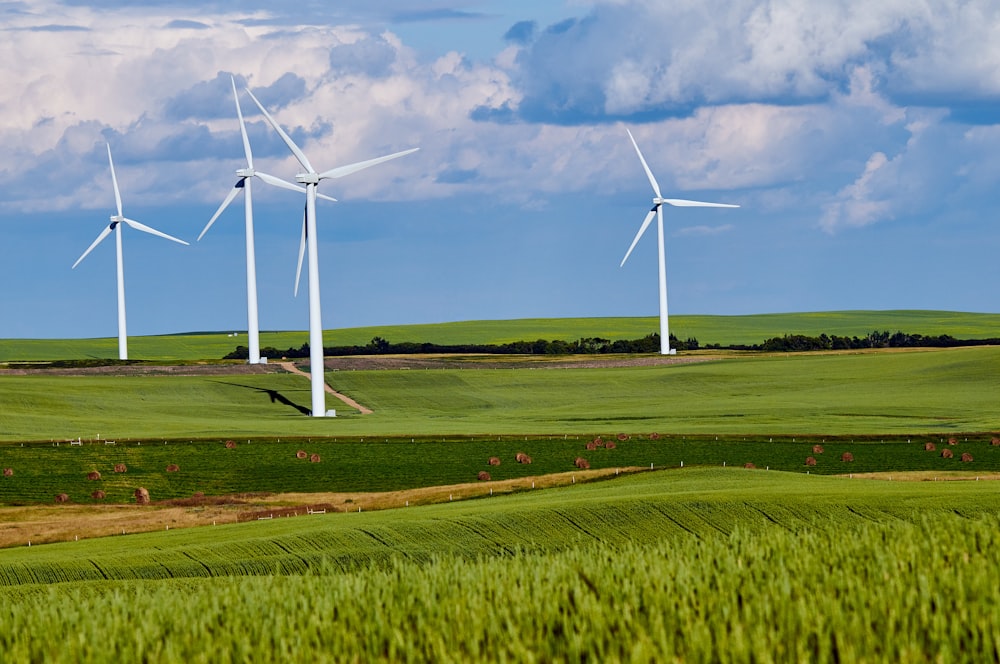
Windmill power is not confined to solitary structures; it thrives in expansive wind farms where multiple turbines work in unison. The strategic placement of these windmills in areas with consistent wind patterns maximizes efficiency. The cumulative effect of numerous turbines operating together creates a powerful force capable of supplying electricity on a large scale. Windmill farms exemplify the scalability and efficiency of harnessing wind energy.

Aesthetics and Integration: Windmill Power in the Modern Landscape

Beyond their functional prowess, modern windmills contribute to the visual tapestry of landscapes. Architects and engineers consider aesthetics in the design of wind farms, ensuring that these structures integrate seamlessly with the environment. The graceful rotation of turbine blades has become a symbol of progress and a visual testament to the commitment to clean energy.

Energy Harvesting: Windmill Power’s Role in Electricity Generation

Windmill power plays a pivotal role in electricity generation, especially in regions blessed with ample wind resources. The electricity generated by windmills feeds into the power grid, contributing to the overall energy mix. This decentralized approach to energy production empowers communities and reduces dependence on centralized, non-renewable sources.

Offshore Ambitions: Exploring Windmill Power Beyond the Horizon

As technology advances, offshore wind farms have become a frontier

Read More
Categories: How To

Whirling Wonders Unleashing Power with Wind Turbines

Whirling Wonders Unleashing Power with Wind Turbines

Whirling Wonders: Unleashing Power with Wind Turbines

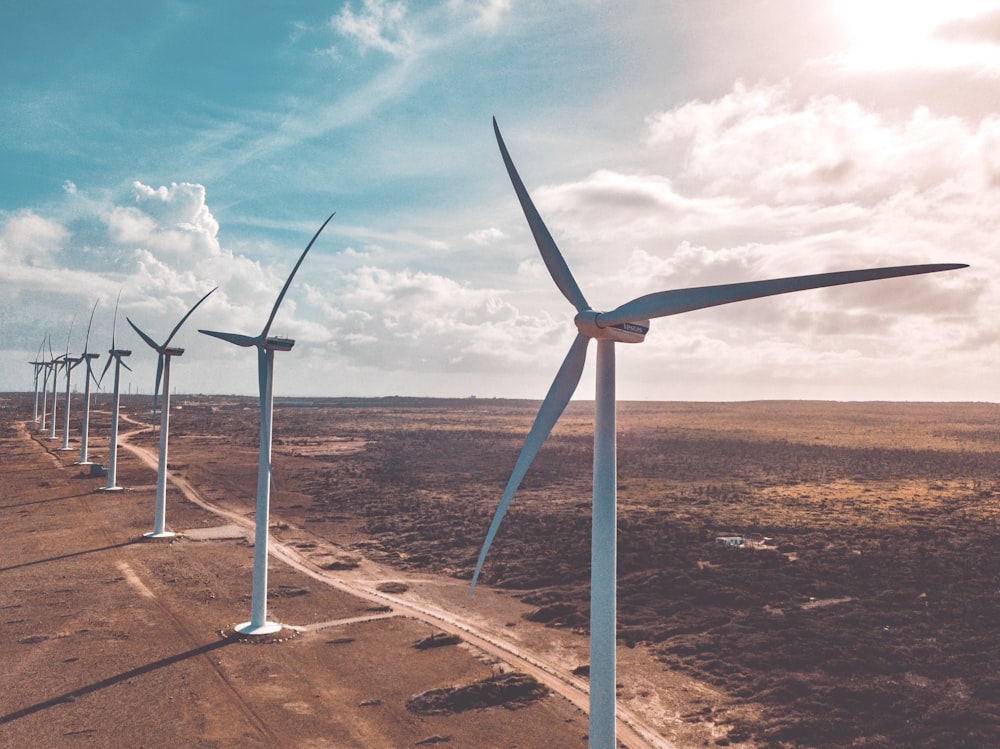
In the realm of renewable energy, wind turbines stand tall as whirling wonders that harness the kinetic energy of the wind and transform it into a clean and sustainable power source. Let’s embark on a journey to explore the marvels of wind turbines and their significant role in reshaping our energy landscape.

Harvesting the Breeze: Wind Turbines in Action

At the heart of wind turbines lies the ability to harvest the breeze, transforming the kinetic energy of the wind into electricity. As the wind propels the turbine blades, this mechanical motion sets the generator in motion, producing a steady stream of power. It’s a captivating dance between nature and technology, where the wind becomes a potent ally in our quest for sustainable energy.

Wind Power: A Clean and Abundant Resource

The appeal of wind power lies not only in its cleanliness but also in its abundance. Unlike finite fossil fuels, the wind is an eternal and renewable resource. Wind turbines, whether dotting the landscape in wind farms or gracing the skyline individually, signify a departure from traditional energy sources towards a cleaner and more sustainable future.

Engineering Marvel: Anatomy of a Wind Turbine

The design and engineering of a wind turbine are nothing short of marvels. Towering high above the ground, the turbine consists of three primary components: the tower, the blades, and the nacelle. The tower provides elevation, the blades capture the wind’s energy, and the nacelle houses the machinery responsible for converting that energy into electricity.

Variety in the Wind: Onshore vs. Offshore Turbines

Wind turbines come in various shapes and sizes, catering to different environments. Onshore turbines, commonly seen on hills and plains, are accessible and cost-effective. In contrast, offshore turbines, standing gracefully in the ocean, harness stronger and more consistent winds. The choice between onshore and offshore installations depends on factors such as wind conditions and accessibility.

Whispers of Progress: The Quieter Side of Wind Power

While the rhythmic hum of rotating blades is a familiar sound in areas with wind farms, advancements in technology are making wind turbines quieter than ever. Innovative designs and improved materials contribute to minimizing noise levels, addressing concerns about the environmental impact on both wildlife and nearby communities.

Economic Winds: Wind Turbines and Job Creation

The adoption of wind turbines isn’t just about clean energy; it’s also a catalyst for economic growth. Wind energy projects, from manufacturing and installation to maintenance, create jobs and stimulate local economies. The expansion of wind farms contributes not only to a greener environment but also to job opportunities in various sectors.

Winds of Change: A Shift in Energy Paradigm

Wind turbines signify more than just a shift in energy production; they represent a broader change in the energy paradigm. As society increasingly embraces renewable sources, the landscape dominated by traditional power plants evolves into a tapestry of sustainable solutions. Wind turbines, with their towering presence, become symbols of progress towards a cleaner and greener energy landscape.

Wind

Read More
Categories: Fashion Tips

Empowering Homes Navigating Sustainability with Arcadia Power

Empowering Homes Navigating Sustainability with Arcadia Power

Empowering Homes: The Arcadia Power Revolution

Renewable energy is no longer a distant ideal but a tangible reality, especially with initiatives like Arcadia Power leading the charge. Let’s dive into the Arcadia Power revolution, exploring how it empowers homes, navigates sustainability, and transforms the way we interact with our energy consumption.

Shaping Sustainability: Arcadia Power’s Mission

At the core of Arcadia Power’s mission is a commitment to shaping sustainability. The platform empowers homeowners to make cleaner and greener energy choices, reducing their carbon footprint and contributing to a more environmentally conscious lifestyle. It goes beyond being just an energy provider; it’s a catalyst for positive change in the way we think about and consume energy.

Navigating Renewable Options: Understanding Arcadia Power’s Offerings

Arcadia Power provides a bridge to renewable energy by giving homeowners access to clean power sources. By connecting with renewable projects across the country, Arcadia Power allows users to support wind and solar energy without the need for on-site installations. It opens the door to a sustainable energy future without the complexity often associated with transitioning to renewables.

The Arcadia Power Experience: Seamless Integration for Users

One of the standout features of Arcadia Power is its commitment to a seamless user experience. The platform integrates with existing utility accounts, allowing users to enjoy the benefits of renewable energy without disrupting their daily routines. It’s a user-friendly approach that demystifies the process of going green, making sustainable choices accessible to all.

Energy Transparency: Understanding Your Impact

Arcadia Power brings transparency to energy consumption. Users can track their energy usage, understand the environmental impact, and make informed decisions about their consumption patterns. This level of transparency not only fosters awareness but also empowers individuals to take conscious steps towards reducing their carbon footprint.

Unlocking Savings: The Economic Advantage of Arcadia Power

Beyond sustainability, Arcadia Power offers economic advantages. Users can potentially save on their utility bills by participating in Arcadia’s programs and accessing competitive rates. This dual benefit of economic savings and environmental responsibility makes Arcadia Power an attractive option for those looking to align their values with their energy choices.

Joining the Movement: Arcadia Power for a Sustainable Future

For those eager to join the Arcadia Power movement and explore the possibilities of cleaner and more sustainable energy, lastlongerrightnow.com provides valuable insights. Learn more about Arcadia Power’s initiatives, user experiences, and the impact it has on shaping a more sustainable future. It’s a resource for individuals ready to make a positive change in their energy choices.

Community Impact: Arcadia Power’s Collective Influence

Arcadia Power isn’t just about individual choices; it’s about the collective impact of a community committed to sustainability. By joining Arcadia Power, users become part of a movement that extends beyond their homes, contributing to a broader shift towards renewable energy on a larger scale. It’s a testament to the idea that small individual actions can create significant collective change.

Advocacy for Change: Arcadia Power’s Role in Environmental Stewardship

Beyond its direct impact on users, Arcadia Power

Read More
Categories: ross online shopping

Whispers of Power Unleashing the Wind Energy Potential

Whispers of Power Unleashing the Wind Energy Potential


Riding the Whispers: Unleashing the Wind Energy Potential

Embark on a journey through the whispers of power, where the gentle caress of the wind becomes a force to be harnessed and a harbinger of a cleaner, sustainable energy future. This exploration unveils the profound impact of wind power, delving into its origins, technological advancements, and the pivotal role it plays in reshaping our energy landscape.

The Wind’s Song: Origins of Wind Power

The origins of wind power trace back to ancient civilizations that harnessed the wind’s kinetic energy for various purposes. From grinding grain to pumping water, windmills were the early manifestations of utilizing the wind’s power. Today, the whispers of the wind continue to be a source of inspiration as we tap into its vast potential to generate electricity on a significant scale.

Majestic Giants: Harnessing Wind through Turbines

Modern wind power is synonymous with towering wind turbines that stand as majestic giants on the landscape. These turbines, equipped with aerodynamically designed blades, capture the kinetic energy of the wind and convert it into electrical power. The evolution of turbine technology has significantly increased efficiency, making wind power a formidable player in the renewable energy arena.

Onshore vs. Offshore: Expanding the Horizon of Wind Power

Wind power’s reach extends both onshore and offshore. Onshore wind farms, with turbines situated on land, dominate the current landscape. However, offshore wind farms, where turbines are anchored in bodies of water, represent the next frontier. Offshore wind power capitalizes on stronger and more consistent winds, unlocking new possibilities for harnessing the wind’s energy potential.

Whispers Turn to Megawatts: Power Generation on a Grand Scale

The whispers of the wind transform into megawatts of power as wind turbines generate electricity on a grand scale. Large wind farms with multiple turbines work in harmony to produce significant amounts of clean energy. The scalability of wind power makes it a versatile solution for meeting the increasing demand for electricity in both developed and developing regions.

Technological Innovations: Maximizing Efficiency and Reliability

Technological innovations continue to propel the efficiency and reliability of wind power. Advances in materials, design, and data analytics optimize turbine performance. Smart grid integration, artificial intelligence, and predictive maintenance further enhance the overall effectiveness of wind power systems, ensuring they operate at peak efficiency.

Economic Winds: Job Creation and Local Impact

The deployment of wind power brings economic winds, creating job opportunities and stimulating local economies. From manufacturing and installation to ongoing maintenance, the wind power sector fosters employment and economic growth. Wind projects also contribute to the development of rural communities, providing a sustainable source of income and investment.

Environmental Harmony: A Breath of Fresh Air for Sustainability

Wind power stands as a breath of fresh air for environmental sustainability. Unlike traditional fossil fuels, wind power produces electricity without emitting greenhouse gases or other pollutants. The reduction of carbon emissions aligns with global efforts to combat climate change, making wind power a crucial player in the transition to a cleaner and greener energy

Read More
Categories: maceys

Geo-Warmth Unveiling the Efficiency of Geothermal Heating Systems

Geo-Warmth Unveiling the Efficiency of Geothermal Heating Systems

Geo-Warmth: Unveiling the Efficiency of Geothermal Heating Systems

In the realm of sustainable heating solutions, geothermal heating systems stand out as a beacon of efficiency and eco-friendliness. Let’s embark on a journey into the world of geo-warmth, exploring how geothermal heating systems work, their environmental benefits, and why they are becoming a popular choice for those seeking to embrace sustainable living.

Harnessing Earth’s Energy: How Geothermal Heating Works

At the core of geothermal heating systems is the ingenious utilization of the Earth’s natural heat. Unlike traditional heating methods that rely on burning fossil fuels, geothermal systems tap into the consistent and renewable energy stored beneath the Earth’s surface. Through a network of pipes buried underground, a heat pump extracts the Earth’s warmth, transferring it into homes for a reliable and sustainable heating solution.

Efficiency Redefined: The Operational Brilliance of Geothermal

Geothermal heating systems boast exceptional efficiency, often surpassing conventional heating methods. The constant temperature beneath the Earth’s surface provides a stable source of heat, allowing geothermal systems to operate with remarkable consistency and effectiveness. This efficiency translates into lower energy bills and a reduced carbon footprint, making geothermal heating an economically and environmentally sound choice.

Year-Round Comfort: The Dual Functionality of Geothermal Systems

One of the distinctive features of geothermal heating systems is their ability to provide both heating and cooling. In winter, the system extracts heat from the Earth to warm indoor spaces, while in summer, it reverses the process, removing excess heat from indoors and transferring it into the Earth. This dual functionality ensures year-round comfort, eliminating the need for separate heating and cooling systems.

Environmental Harmony: Geothermal and Its Low Impact

Geothermal heating systems are celebrated for their low environmental impact. By harnessing the Earth’s natural heat, these systems produce minimal greenhouse gas emissions compared to traditional heating methods. Additionally, the technology involved in geothermal heating aligns with sustainable practices, contributing to a healthier and more balanced relationship with the environment.

Economic Wisdom: Geothermal Heating and Long-Term Savings

While the initial installation cost of a geothermal heating system may seem higher, the long-term savings and return on investment are compelling. The efficiency and reliability of geothermal systems lead to lower energy bills, providing homeowners with significant savings over time. It’s an investment in both comfort and economic wisdom, where upfront costs transform into lasting financial benefits.

Exploring Geothermal Heating Systems: A Comprehensive Resource

For those eager to explore the potential of geothermal heating systems, lastlongerrightnow.com serves as a comprehensive resource. Dive into insights about how geothermal systems work, their benefits, and considerations for installation. This platform empowers individuals to make informed decisions about incorporating geothermal heating into their homes for sustainable and efficient comfort.

Installation Considerations: Tailoring Geothermal Systems to Homes

Installing a geothermal heating system involves careful consideration of factors such as available land, soil conditions, and existing infrastructure. While the process requires upfront planning, the long-term benefits, both in terms of environmental impact and energy savings, make it a worthwhile endeavor. Tailoring geothermal systems

Read More