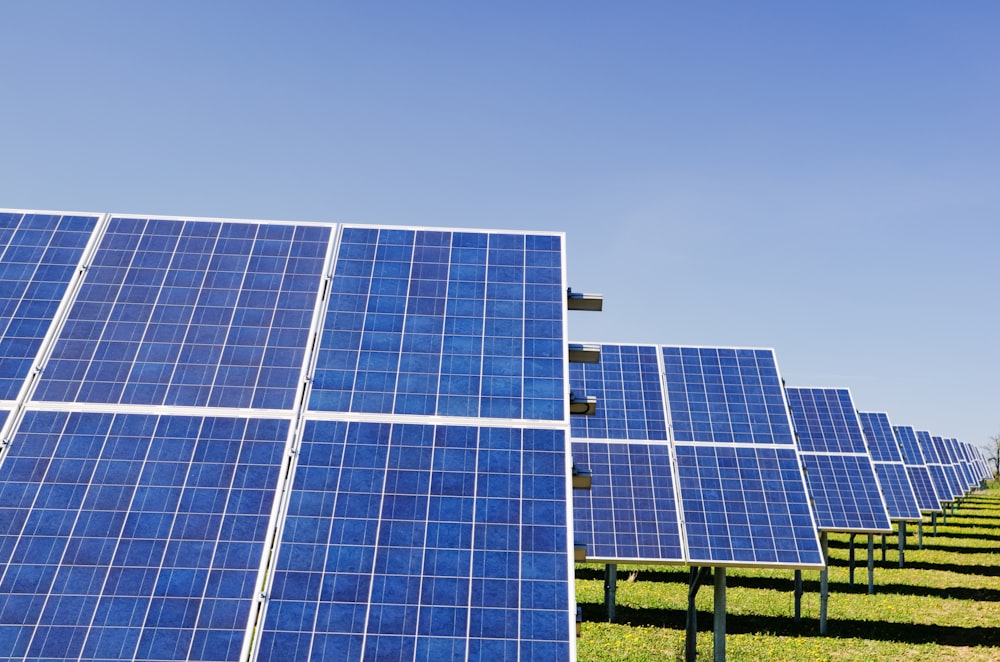
Energy Transition in the Global Economy Rise
The shift towards cleaner energy sources is no longer a futuristic concept; it’s a present-day reality reshaping the Energy Transition (Global Economy). This complex transition presents both challenges and opportunities for businesses, governments, and individuals alike. From evolving investment strategies to innovative technological advancements, the drive to reduce carbon emissions is having a profound effect on how we produce, distribute, and consume energy. The transformation impacts industries, jobs, and even geopolitical landscapes, calling for a coordinated and forward-thinking approach to ensure a sustainable and prosperous future for all of us.
Key Takeaways:
- The Energy Transition (Global Economy) is fundamentally altering investment landscapes, favoring renewable energy and sustainable technologies.
- Policy and regulatory frameworks play a crucial role in accelerating the transition and incentivizing green practices.
- Technological innovation is key to unlocking cost-effective and scalable clean energy solutions.
- The transition presents significant economic opportunities, including job creation and new market development, but also requires careful management of potential disruptions.
Understanding the Scope of the Energy Transition (Global Economy)
The Energy Transition (Global Economy) encompasses more than just switching from fossil fuels to renewable energy. It’s a systemic change affecting virtually every sector of the economy. Think about the cars we drive, the electricity that powers our homes, the materials used in manufacturing, and the food we eat – all these areas are undergoing significant shifts. The transition involves developing new technologies, building new infrastructure, establishing new policies, and fostering new behaviors. It’s about creating a more sustainable, resilient, and equitable energy system for the long term.
One of the key drivers of this transition is the growing awareness of the environmental impact of fossil fuels. Climate change, air pollution, and other environmental problems are creating pressure for governments and businesses to take action. At the same time, the cost of renewable energy technologies like solar and wind has fallen dramatically in recent years, making them increasingly competitive with traditional fossil fuels. This combination of environmental pressures and economic opportunities is driving the Energy Transition (Global Economy) at an unprecedented pace.
The Economic Impact of the Energy Transition (Global Economy)
The Energy Transition (Global Economy) has far-reaching economic implications. It’s creating new industries and jobs in areas like renewable energy, energy efficiency, and sustainable transportation. It’s also requiring businesses to adapt their operations to reduce their carbon footprint and comply with new regulations. Investors are increasingly taking environmental, social, and governance (ESG) factors into account when making investment decisions, which is driving capital towards sustainable businesses.
However, the Energy Transition (Global Economy) also poses challenges. Some industries that rely heavily on fossil fuels may face job losses and economic disruption. It’s important for governments to provide support for workers and communities that are affected by the transition, such as through retraining programs and investments in new industries. Furthermore, ensuring a just transition that benefits all members of society, particularly vulnerable populations, is crucial. This will require careful planning and policy interventions to address potential inequalities. We are seeing a rise in